Fa

Pars Binalood Industrial-Commercial Group
Full fat soy
(processed soybeans)
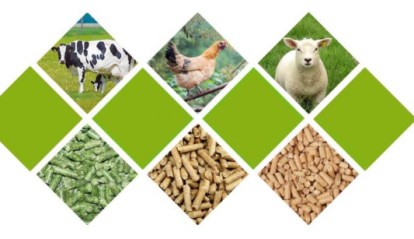
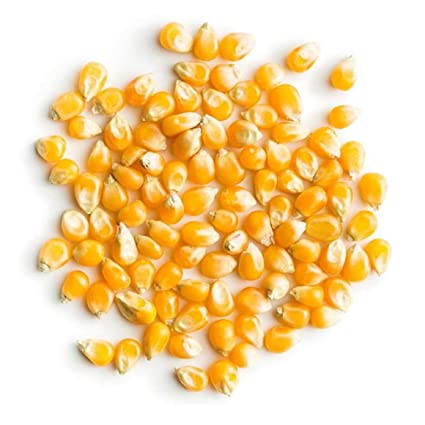
Processed soybeans have a special place in livestock and poultry nutrition as a suitable food in terms of energy and protein (especially transgenic protein). Many scientific and field experiments have been conducted regarding soybean nutrition. Due to the presence of anti-nutritive substances, raw soybeans are not suitable for feeding monogastrics such as poultry, but heating soybeans causes the loss of anti-nutritive substances and makes soybeans a perfect food for monogastrics. Converts both energy and protein.
Ruminants can use unprocessed soybeans, but there are warnings regarding the use of this product. These warnings are due to the presence of urease enzyme in raw soybeans. Urease present in raw soybeans destroys urea and removes it from the reach of animals and microbes in the rumen. Heating raw soybeans destroys the urease enzyme and solves the problems related to it. Also, heating increases the shelf life of the grain by removing the lipase enzyme and preventing the degradation of fat in the grain and increasing the amount of passable soybean protein without damaging the protein structure and reducing its digestion and absorption in livestock.
In recent years, extensive studies have been conducted to prove the importance of transit protein in newborn and high-yielding dairy cows. Passed protein is part of the protein of food materials that escaped from the reach of microorganisms in the rumen to be directly digested and absorbed in the intestine. A significant part of the animal's amino acid needs is provided through this transit protein. Depending on the animal's needs and the balance of amino acids in the diet, newborn and high-breeding cows need about 35-40% transit protein (or, more correctly, transit amino acids). The main sources of transgenic protein include corn gluten meal, fish meal, meat meal and feather meal. Heated soybeans are also considered as a rich source of transgenic protein (about 65%).
Soybean is rich in fat (18-20%) which can be used as a good source of energy in the diet. The fat in whole soybeans may cause a slight decrease in milk fat, which can be solved by including suitable fodder, especially alfalfa, in the diet of dairy cows.
- Soybean full fat is highly recommended for newborn and high-yielding cows due to having a suitable passable protein along with good energy.
- It is possible to safely use full-fat soybeans in the amount of 15% concentrate in the ration of dairy cows. If it is necessary to increase the amount of soybean full fat in the diet to minimize milk fat loss, increase the forage in the diet, especially alfalfa.
-Due to having the highest amount of passable protein (about 209 grams per kilogram), full-fat soy has a high value compared to other types of soy.
- The value of each kilogram of full-fat soybeans in terms of protein is equivalent to 0.92 of a kilogram of 44% soybean meal, and in terms of energy, it is equivalent to 0.19 of a kilogram of pure fat powder.
All rights of this site reserved by Pars Binalood Commercial Production Group.